
Understanding Property Valuation in Australia: A Comprehensive Guide


Property valuation is a critical component of the real estate market in Australia. Understanding the nuances of how properties are valued can empower buyers, sellers, and investors to make informed decisions. This comprehensive guide breaks down the key aspects of property valuation, providing insights into why it matters and how it is conducted.
What is Property Valuation?
Property valuation is the process of determining the current market value of a property. This assessment considers various factors, including location, size, condition, and comparable sales in the area. A professional valuer typically conducts the valuation, ensuring an objective and accurate appraisal.

Importance of Property Valuation
Understanding the value of a property is crucial for several reasons. For buyers and sellers, it helps in setting a realistic price. For investors, it aids in evaluating potential returns. Furthermore, lenders often require a valuation to determine the amount of money they are willing to loan against a property.
Factors Influencing Property Valuation
Several factors influence the valuation of property in Australia. These include:
- Location: Proximity to amenities, schools, and transport can significantly affect value.
- Property Size and Condition: Larger and well-maintained properties generally attract higher valuations.
- Market Conditions: Supply and demand dynamics in the local market can lead to fluctuations in property values.
- Comparable Sales: Recent sales of similar properties in the area provide a benchmark for valuation.
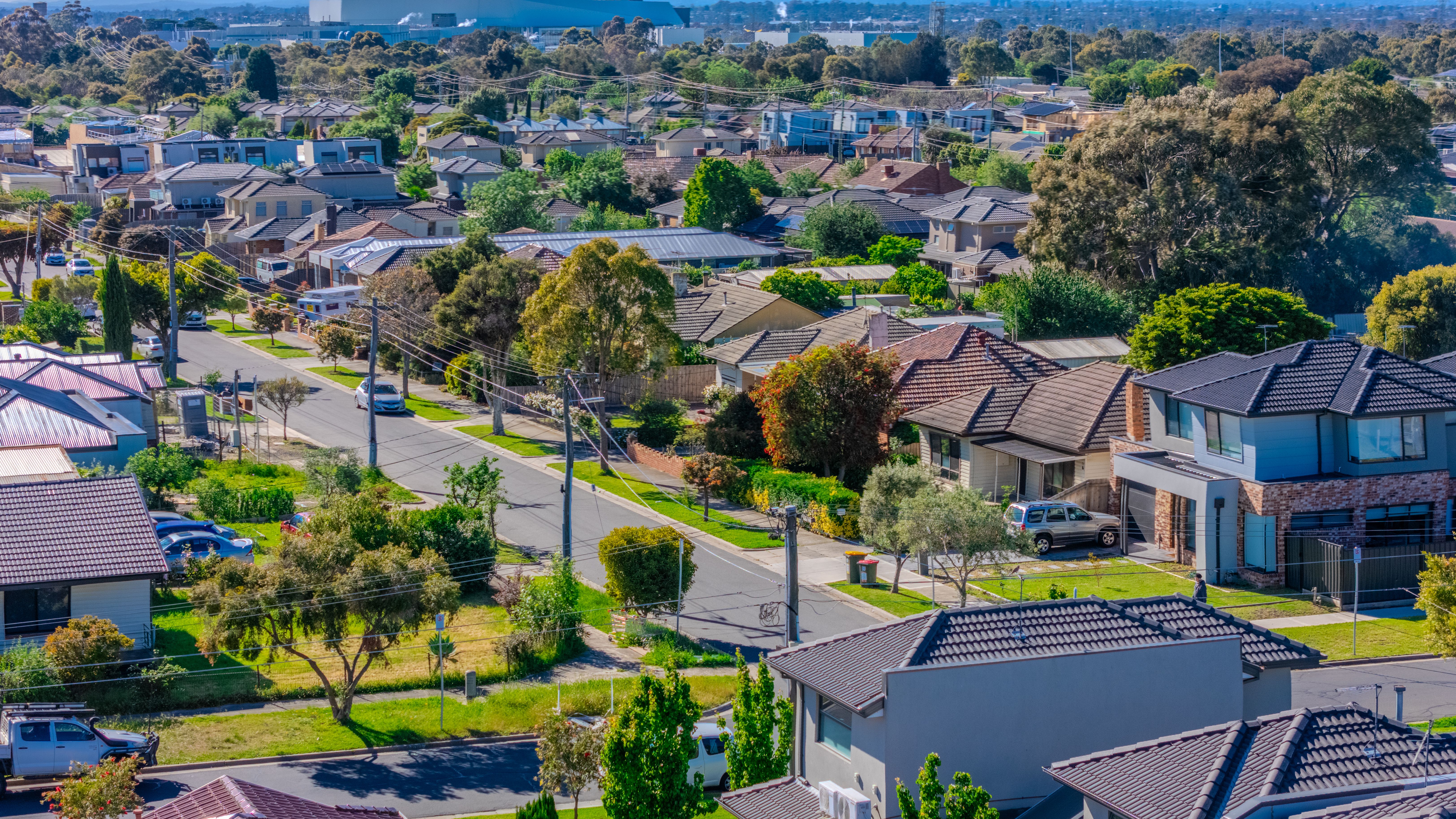
Different Types of Property Valuation
In Australia, property valuations can be categorized into several types, each serving a different purpose:
- Market Valuation: Used to determine the likely selling price of a property in the current market.
- Bank Valuation: A more conservative estimate often used by lenders to decide loan amounts.
- Insurance Valuation: Determines the replacement value of a property for insurance purposes.
The Valuation Process
The valuation process involves a thorough inspection of the property, both internally and externally. The valuer will assess the property's condition, layout, and features. They will also gather data on recent sales of similar properties in the area to compare values.

How to Choose a Valuer
Selecting a qualified and experienced valuer is essential to getting an accurate valuation. Look for valuers registered with professional bodies such as the Australian Property Institute. Recommendations and reviews can also be valuable in making your choice.
In conclusion, understanding property valuation is vital for anyone involved in the real estate market in Australia. By considering the factors and processes outlined in this guide, you can better navigate property transactions and investments.