
The Role of Environmental Factors in Property Valuation


Understanding Environmental Factors in Property Valuation
When evaluating property value, many factors come into play, but one often overlooked aspect is the role of environmental factors. These elements can significantly influence a property's worth and are essential for both buyers and sellers to understand. From geographical location to climate conditions, environmental considerations are integral to property valuation.
The influence of the environment on property value is multifaceted, involving natural landscapes, pollution levels, and climatic conditions. Each of these can either enhance or detract from a property's appeal, ultimately affecting its market price.
Geographical Location and Natural Landscapes
A property's geographical location is one of the most apparent environmental factors affecting its value. Properties with scenic views or proximity to natural features like mountains, lakes, or oceans often command higher prices due to the aesthetic and lifestyle benefits they offer. Conversely, properties in flood-prone or earthquake-prone areas may see reduced valuations.
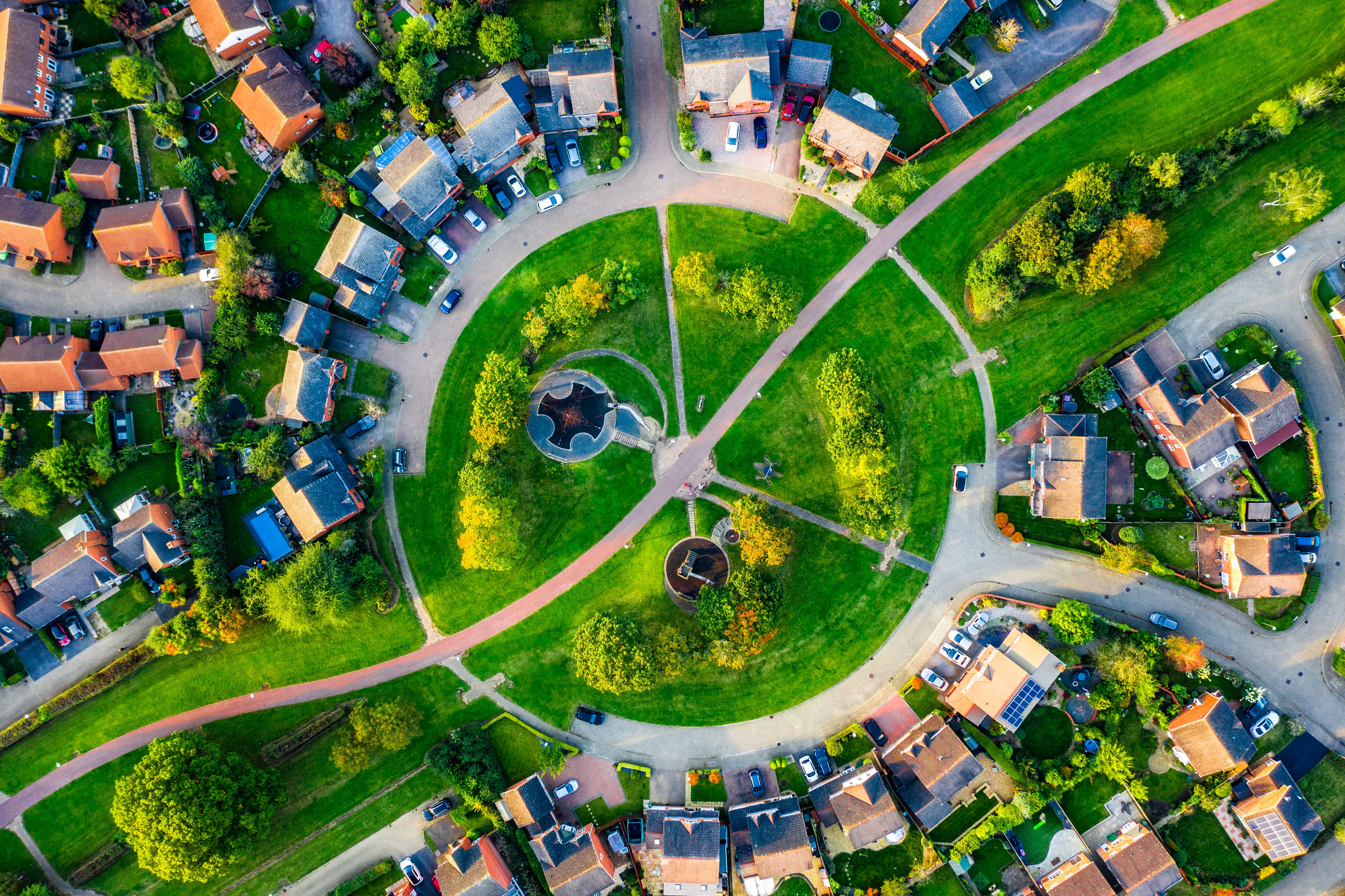
Natural landscapes not only contribute to the visual appeal but also to the environmental quality of a location. Areas with lush greenery or well-maintained parks are likely to be valued higher due to the positive impact on residents' quality of life. Developers and real estate agents often emphasize these attributes when marketing properties.
Climate and Weather Conditions
Climate and weather conditions are another critical environmental factor that influences property valuation. Properties in regions with mild weather and low risk of natural disasters are often more desirable. Buyers tend to prefer areas with favorable climates, which can lead to increased demand and higher property prices.

On the other hand, areas prone to extreme weather conditions such as hurricanes, snowstorms, or droughts may experience lower property values. The potential for property damage and increased insurance costs can deter buyers, affecting the overall market value of properties in such regions.
Pollution and Environmental Health
Environmental health factors such as air and water quality also play a significant role in property valuation. Properties located in areas with high pollution levels may face decreased value due to the negative health implications and reduced quality of life for residents. Buyers are increasingly aware of the long-term impacts of pollution and tend to avoid areas with poor environmental health.
Conversely, properties in areas with clean air and water are generally more attractive and can command higher prices. Governments and local authorities often implement policies to improve environmental conditions, which can positively affect property values in the long term.

Conclusion
Understanding the role of environmental factors in property valuation is crucial for making informed real estate decisions. Whether you're buying, selling, or investing, considering these elements can ensure you recognize the true value of a property. By paying attention to geographical location, climate, and environmental health, stakeholders can better navigate the dynamic real estate market.
As awareness of environmental issues grows, these factors are becoming increasingly significant in property valuation. Future trends suggest that properties in environmentally friendly and sustainable areas will likely see a rise in value, reflecting the growing demand for eco-conscious living.