
The Impacts Upon Property Values in Higher Density Areas


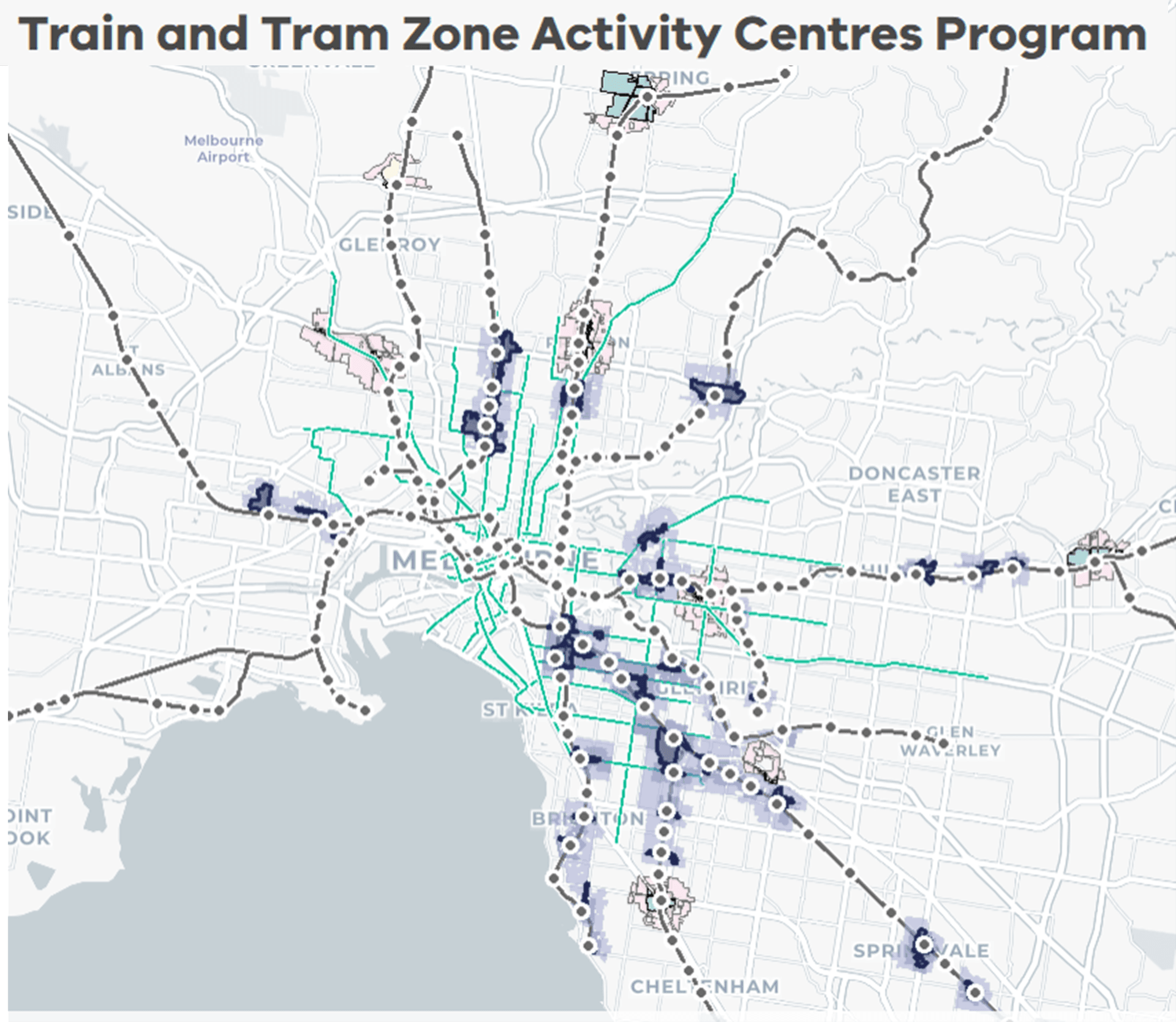
Planning changes across Melbourne’s train and tram corridors are already starting to affect how residential land is valued in well-located suburbs. The Victorian Government has confirmed new rules for 25 activity centres, allowing more homes to be built close to public transport, jobs and services.
The changes apply to areas including Hawthorn, Glenferrie, Auburn and Kew Junction in Boroondara, as well as Brunswick, Coburg and Thornbury.
Higher-density development will be allowed in core areas, with building heights ranging from mid-rise to up to 20 storeys depending on location, while surrounding areas will support townhouses and low-rise apartments. Projects that meet the rules in core zones will also be fast-tracked, reducing approval delays.
This is likely to affect land values first. Sites close to stations or within core zones may become more attractive because they can support higher-density development. At the same time, surrounding areas may see more gradual change as new housing is introduced.
The key issue for valuation is how much development potential is actually usable on each site. Not all properties within these zones will benefit equally, and outcomes will depend on location, site size and planning constraints.
#propertyvaluations #Melbourneproperty #landvalues
Clear, independent valuation advice is essential when planning changes affect development potential and land values. To obtain evidence-based assessments across Boroondara, Darebin and surrounding Melbourne councils, call Mason’s Valuation Office on 0417 741 481 or visit https://propertyvaluation.melbourne/about-us/#contact.